Home › Gravel-to-Asphalt Conversions
Tired of ruts and dust from a gravel drive. Our gravel to asphalt driveway conversions in Oklahoma City, OK create clean, low maintenance entrances. We handle grading, base prep, and paving. Get a free conversion estimate today.
Precision Asphalt Oklahoma City provides professional gravel to asphalt driveway throughout Oklahoma City, OK, Oklahoma and the surrounding area. Our licensed, insured crew delivers safe, clean, on-time work with a free estimate before anything begins. Call (405) 696-4325 or request your free quote.
Turn Your Gravel Driveway Into a Clean, Solid Asphalt Surface
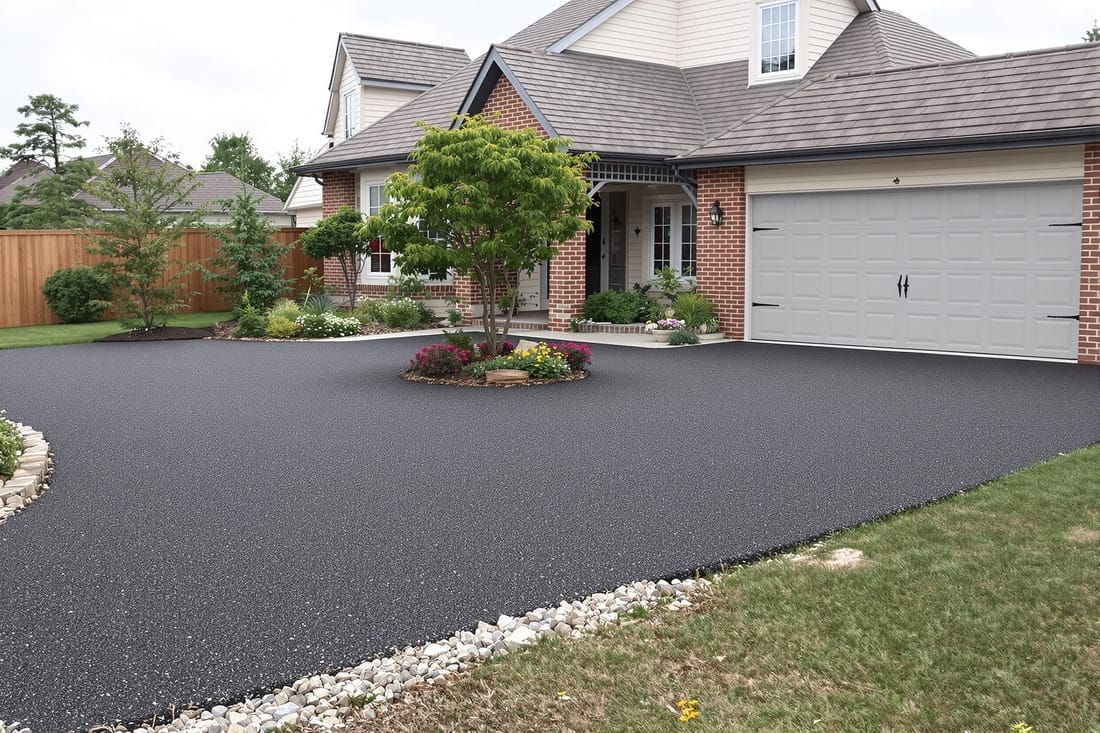
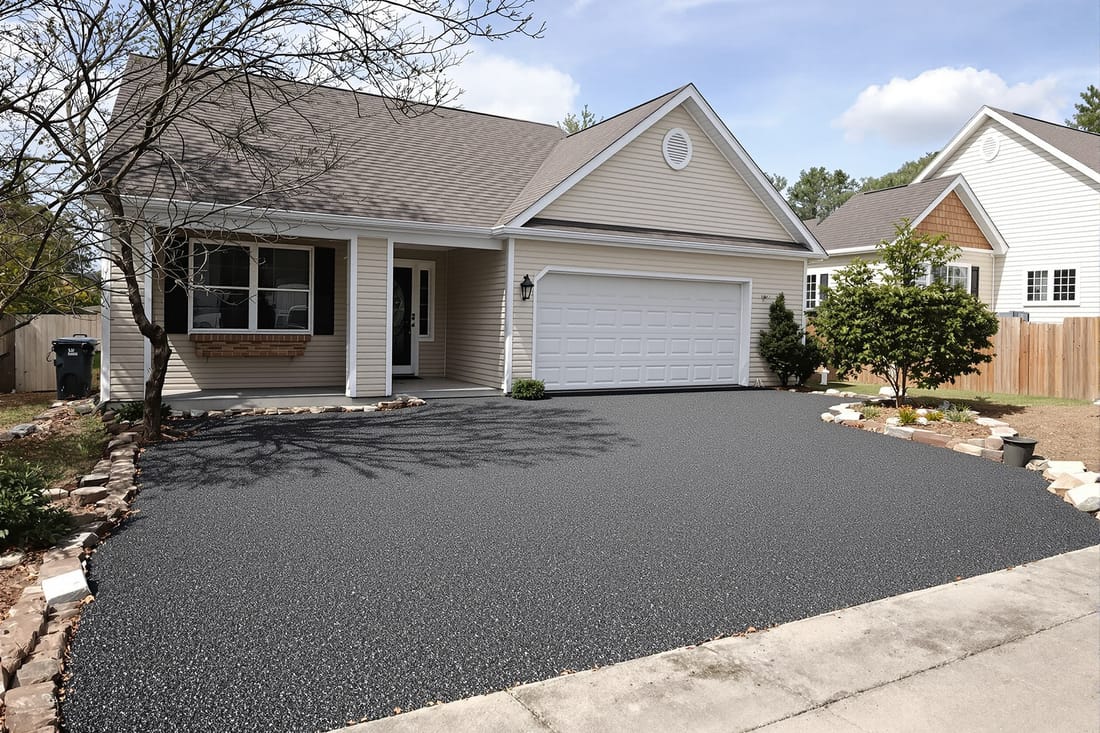
If you are tired of ruts, dust, and mud from a gravel driveway, Precision Asphalt Oklahoma City can convert it to a smooth asphalt surface that works in Oklahoma City weather. A gravel to asphalt driveway conversion is not just pouring blacktop on top of rocks. It is a full rebuilding process that stabilizes the base, reshapes the drive, and applies hot mix asphalt at the right thickness so it lasts.
Our crews live and work in the Oklahoma City area, so we are familiar with local clay soils, drainage patterns, and city and county requirements. We design each gravel to asphalt driveway around how you actually use it: single car or multiple vehicles, RV or trailer parking, and whether large delivery trucks turn on it. The result is a driveway that sheds water properly, stands up to Oklahoma heat, and looks right with your home or shop.
From small residential drives in established OKC neighborhoods to long rural lanes outside the city limits, we take the time to inspect the existing gravel and subgrade before quoting the job. That upfront evaluation is what lets us give realistic pricing and explain exactly what your driveway needs instead of guessing.
What We Look At Before Converting Gravel To Asphalt
A quality gravel to asphalt driveway starts with a careful site assessment. When Precision Asphalt Oklahoma City visits your property, we walk the entire drive and look for soft spots, standing water, and areas where ruts return quickly after grading. These tell us where the base needs to be rebuilt.
We check gravel depth and type. Many older drives in the Oklahoma City area have a mix of river rock and fines that does not lock together well. If your existing gravel is too thin, rounded, or contaminated with topsoil, we plan on removing or supplementing it with proper base rock. We also note tree roots, utility lids, existing concrete at the street, and any culverts or ditches.
Drainage is a major focus in central Oklahoma, where heavy rains can wash out a poorly built driveway. We look at how water currently flows across and along your drive. In some cases, a slight change in slope, a shallow swale, or a small culvert extension is enough to keep water from undermining the new asphalt. We will point out these options so you understand how they affect both performance and cost.
If you are in Oklahoma City limits or in an HOA community like those in Edmond or southwest OKC, we ask about any rules on driveway width, materials, or apron design. Most residential gravel to asphalt driveway projects do not require a formal building permit, but we still follow local standards for street tie ins and drainage so you avoid issues later.
Step By Step: How We Convert Gravel To Asphalt
Once we have a plan and you approve the proposal, Precision Asphalt Oklahoma City schedules your gravel to asphalt driveway conversion. On most residential projects, the full process takes one or two days, depending on driveway length and weather.
1. Site prep and shaping: We begin by grading the existing gravel, cutting out soft or pumping areas, and hauling off any unsuitable material. If needed, we widen or adjust curves at this stage so you get the new layout you want.
2. Base rock installation: We install new crushed stone base where required, typically 3 to 6 inches compacted, using an ODOT spec aggregate that locks together tightly. This is rolled repeatedly with a vibratory roller to achieve a firm, uniform surface.
3. Addressing weak soils: In parts of Oklahoma City with expansive clay or chronic soft spots, we may add a geotextile fabric, stabilization with lime or cement, or additional base depth. These steps are not needed on every job, but they are important in problem areas so the asphalt does not reflect future settlement.
4. Fine grading and compaction: We establish the final slope so water runs off the driveway, not toward your home or garage. We compact again to make sure the base is dense and ready for paving.
5. Hot mix asphalt paving: We bring in hot mix asphalt from a local plant and place it while it is still at the correct temperature. For most residential gravel to asphalt driveway conversions we install 2 to 3 inches of compacted asphalt. Heavier traffic areas like RV pads or shop approaches may receive additional thickness.
6. Rolling and finishing: A steel drum roller and smaller compaction equipment are used to create a smooth, even surface and tight edges. We match the elevation at your garage floor, sidewalks, and the street so there are no abrupt lips.
7. Clean up and access: When we finish, we clean up loose rock and debris. You can walk on the new driveway almost immediately. Light vehicle traffic is usually fine after 24 hours, with heavier vehicles waiting a bit longer in hot weather.
Design Choices For Your New Asphalt Driveway
A gravel to asphalt driveway conversion is a good time to improve layout and appearance, not just switch materials. Precision Asphalt Oklahoma City helps you make decisions that fit your property and budget.
Width and layout: Many Oklahoma City homeowners choose to widen a narrow gravel lane when converting to asphalt. Increasing width from 8 to 10 or 12 feet can make passing, backing trailers, and opening doors much easier. We can also soften tight curves that are hard to navigate when the ground is wet.
Thickness and load rating: If you drive heavy work trucks, farm equipment, or RVs on your driveway, we may recommend a thicker asphalt section or reinforced base in certain areas. For example, a standard car only driveway might use 2 inches of compacted asphalt, but a drive with frequent trailer traffic may benefit from 3 inches or a double lift installation.
Edges and transitions: You can choose between straight rolled edges, which are more economical, and supported edges that tie into concrete or compacted shoulder material for greater durability. At the street, we follow Oklahoma City standards for tie in height and slope, and we can add a concrete or asphalt apron if your subdivision requires it.
Appearance options: Fresh asphalt has a clean black finish by itself, but some customers choose to plan for sealcoating after the first year to deepen the color and add another layer of protection. We can also stripe parking areas by a shop or outbuilding if you need defined spaces or a turnaround.
What Affects The Cost Of A Gravel To Asphalt Driveway
Homeowners often ask why pricing for gravel to asphalt driveway projects can vary. The big driver is what has to happen under the asphalt. Precision Asphalt Oklahoma City explains each cost factor in your written estimate so you know where your money is going.
Base repair or replacement: If your existing gravel is deep, clean, and well compacted, we can usually reuse much of it and only add rock where needed. If it is thin, mixed with soil, or full of organic material, we have to haul in more base and sometimes remove the bad material. That added labor and trucking increases cost but prevents failure later.
Driveway length, width, and thickness: Longer and wider drives obviously require more materials and time. Asphalt thickness also matters. A heavier duty section costs more on day one, but often saves money by extending the life of the driveway, especially for higher traffic properties.
Drainage and site conditions: Correcting drainage, replacing culverts, or building up low areas adds work but can be essential in flood prone parts of the Oklahoma City metro. Similarly, steep slopes, tight access between houses, and numerous obstacles like trees or fences can increase labor.
Location and tie ins: If we have to coordinate with the city on a street connection or match to existing concrete approaches, there can be extra cutting and prep. Rural locations outside OKC sometimes offset that with simpler tie in requirements, but increased travel distance can balance it out.
We never use one size fits all calculator pricing. Instead, we walk the site with you, discuss options at different price points, and give a clear written quote before scheduling work.
Common Problems And How We Prevent Them
Poorly planned gravel to asphalt driveway projects often fail for reasons that can be avoided. At Precision Asphalt Oklahoma City, we build to prevent the issues we see most often in central Oklahoma.
Rutting and depressions: These are usually caused by weak or thin base beneath high traffic areas, such as where vehicles stop or turn. We identify these zones during the site visit and may recommend extra base or asphalt thickness, especially near garages, shop doors, and gates.
Standing water and edge breakdown: If the driveway is too flat or crowned the wrong way, water will sit and eventually break down the asphalt surface. We set proper slopes and encourage customers to keep ditches and culverts clear. Where needed, we suggest a slight widening with compacted shoulder material so vehicle tires do not constantly stress the asphalt edges.
Cracking from movement beneath: Oklahoma freeze thaw cycles and expansive clay can move the subgrade. Where we see evidence of this, we may use a stabilization method or thicker base rock to buffer the asphalt from direct soil movement. We are honest about what is necessary and what is optional so you can make informed decisions.
Premature wear from heavy loads: If you plan to park loaded dump trailers, large motorhomes, or equipment on the driveway, we design for that from the start. That might mean reinforcing only a portion of the drive, such as a parking pad, to control cost while still protecting against damage where loads are highest.
What To Expect When You Work With Precision Asphalt Oklahoma City
We know having your only driveway under construction can feel disruptive, so we work to keep the process straightforward and predictable.
Timeline and scheduling: For a typical residential gravel to asphalt driveway in the Oklahoma City area, you can expect one visit for measurement and evaluation, then one or two days for construction. Weather is the biggest variable, since asphalt work depends on temperature and dry conditions.
Communication: We explain the scope in plain language before work begins, including any areas we are watching closely, such as soft spots or drainage issues. If we uncover something unexpected after we start, we pause and talk through options before proceeding.
Access during and after work: We plan work so that you are never blocked from your home longer than necessary. We let you know in advance when vehicles should be moved and when it is safe to drive on the new surface.
Local accountability: As a local Oklahoma City company, Precision Asphalt Oklahoma City relies on word of mouth and repeat business. We stand behind our gravel to asphalt driveway projects and offer guidance on simple maintenance steps, such as when to consider sealcoating and how to avoid damage from sharp equipment or leaking fluids.
If you are considering converting a gravel driveway anywhere in the Oklahoma City metro, we invite you to schedule a site visit. We will walk the drive with you, talk about how you use it, and provide a detailed plan tailored to your property.